Tag: food
-
Least-Cost Feed Formulation for Pig Farms
Least-cost feed formulation is the process of designing a pig ration that meets every required nutrient target using the cheapest combination of available ingredients. It’s not about buying the cheapest ingredients outright — it’s about finding the lowest-cost combination that still delivers the energy, protein, vitamins, and minerals pigs need at each life stage. Done…
-
Pig Farm Disinfection Protocols: A Step-by-Step Cleaning Guide
A pig farm disinfection protocol is a documented, repeatable sequence for cleaning and disinfecting pens, equipment, and shared spaces so that disease-causing organisms are removed rather than just hidden by a tidy appearance. Cleaning and disinfecting are two different steps — cleaning removes organic matter like manure and feed residue, while disinfecting kills the pathogens…
-
Pig Feed Conversion Ratio: How to Calculate and Improve It
Feed conversion ratio (FCR) measures how efficiently a pig turns feed into body weight — it’s calculated by dividing total feed consumed by total weight gained. A lower FCR means a pig is converting feed into growth more efficiently, which translates directly into lower cost per kilogram of pork produced. Since feed is typically the…
-
Mixing Quality Feed for Pigs: A Step-by-Step Guide to Better Growth and Health
Mixing quality feed means combining the right ingredients, in the right proportions, using clean and properly sized particles, so that every pig receives a consistent, balanced diet. Feed typically accounts for 60–70% of total production costs on a pig farm, which means how well that feed is formulated and mixed has a direct, outsized effect…
-
Where to Sell Pigs in South Africa: Market Channels & Pricing Guide
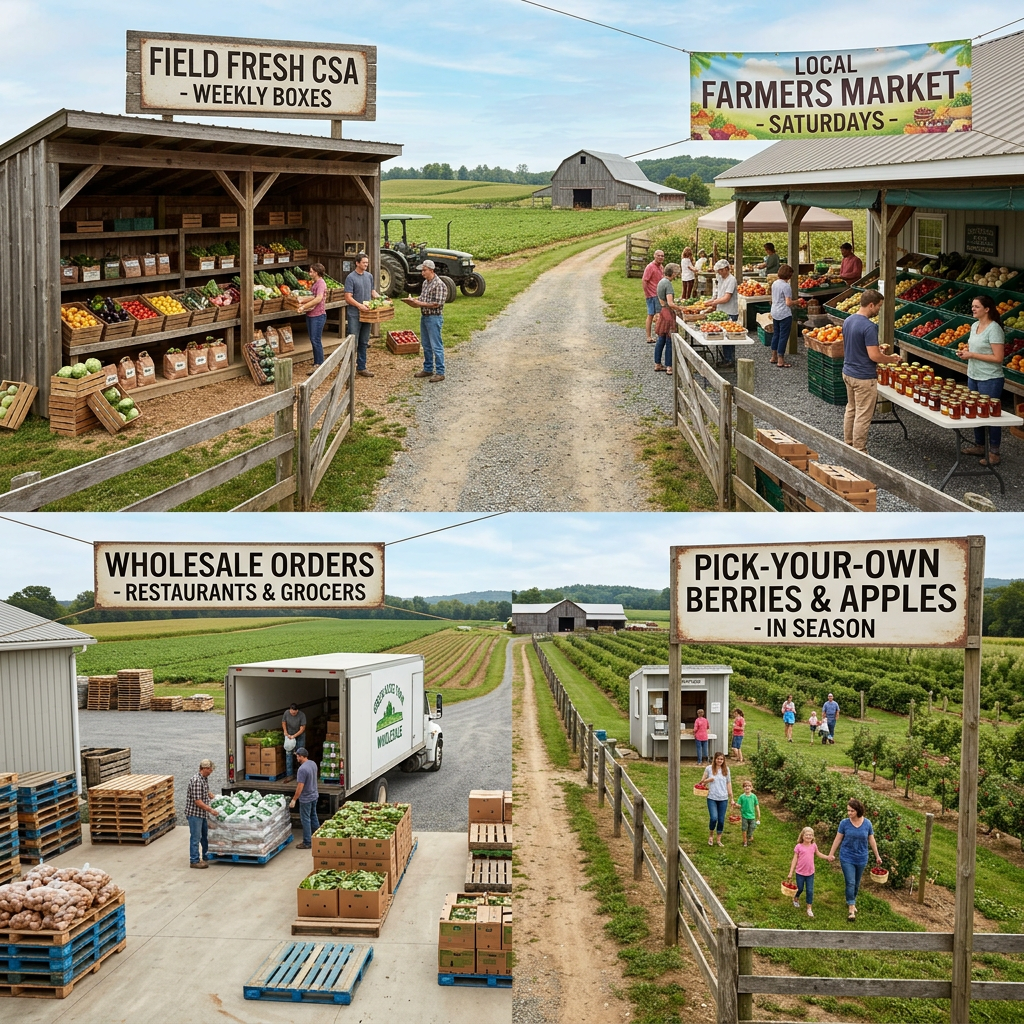
South African pig farmers typically sell through four main channels: registered abattoirs (best for consistent volume and formal pricing), independent butchers and informal traders (fastest payment, most flexible on volume), live pig auctions or direct sales to other farmers (mainly for breeding stock or weaners), and direct-to-consumer sales (highest margin, most time-intensive). Most successful small-scale…
-
Reducing Piglet Mortality: A Practical Weaning & Farrowing Guide
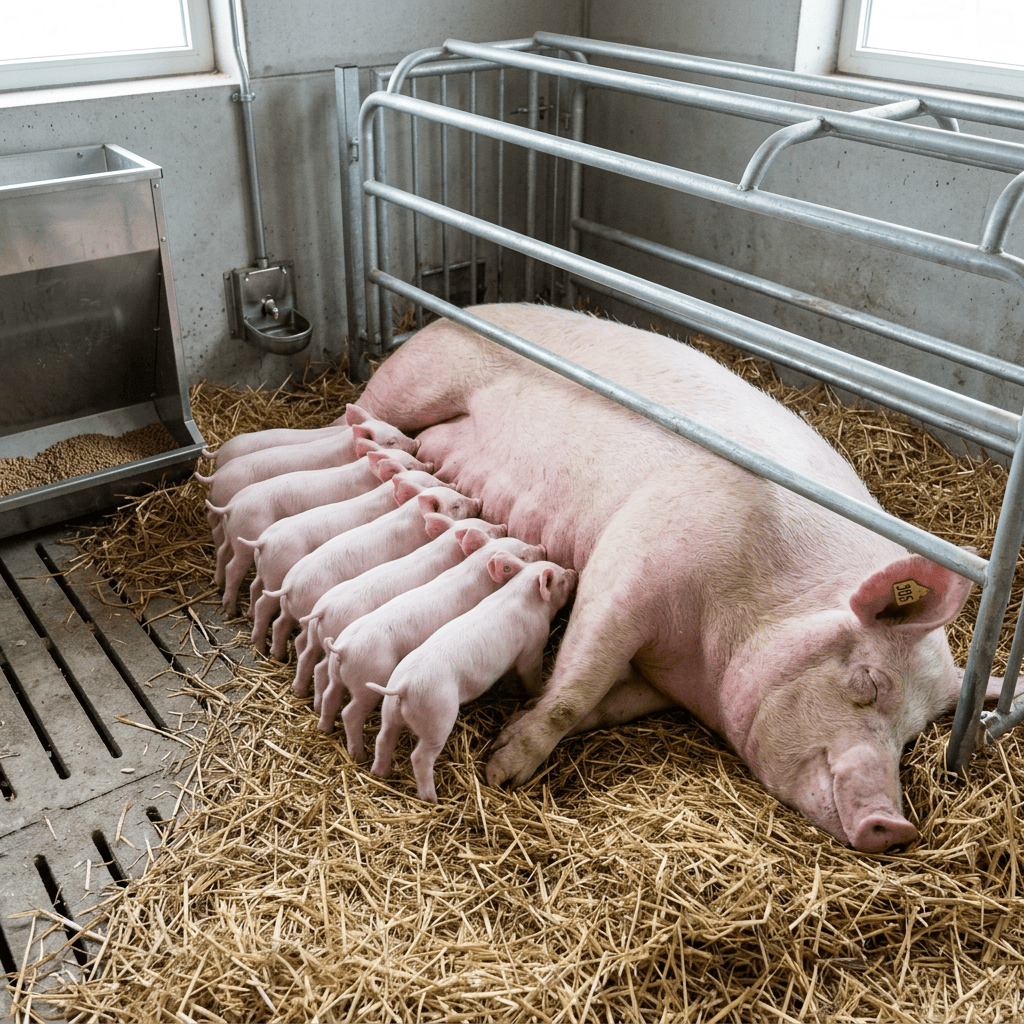
The biggest drivers of piglet mortality are crushing by the sow in the first 72 hours, chilling due to inadequate farrowing temperature control, and low birth weight from poor sow nutrition during pregnancy. On well-managed small farms, pre-weaning mortality should sit around 10–15%; anything consistently above 20% signals a specific, fixable problem in farrowing management…
-
Common Pig Diseases & Biosecurity in South Africa: Prevention Guide
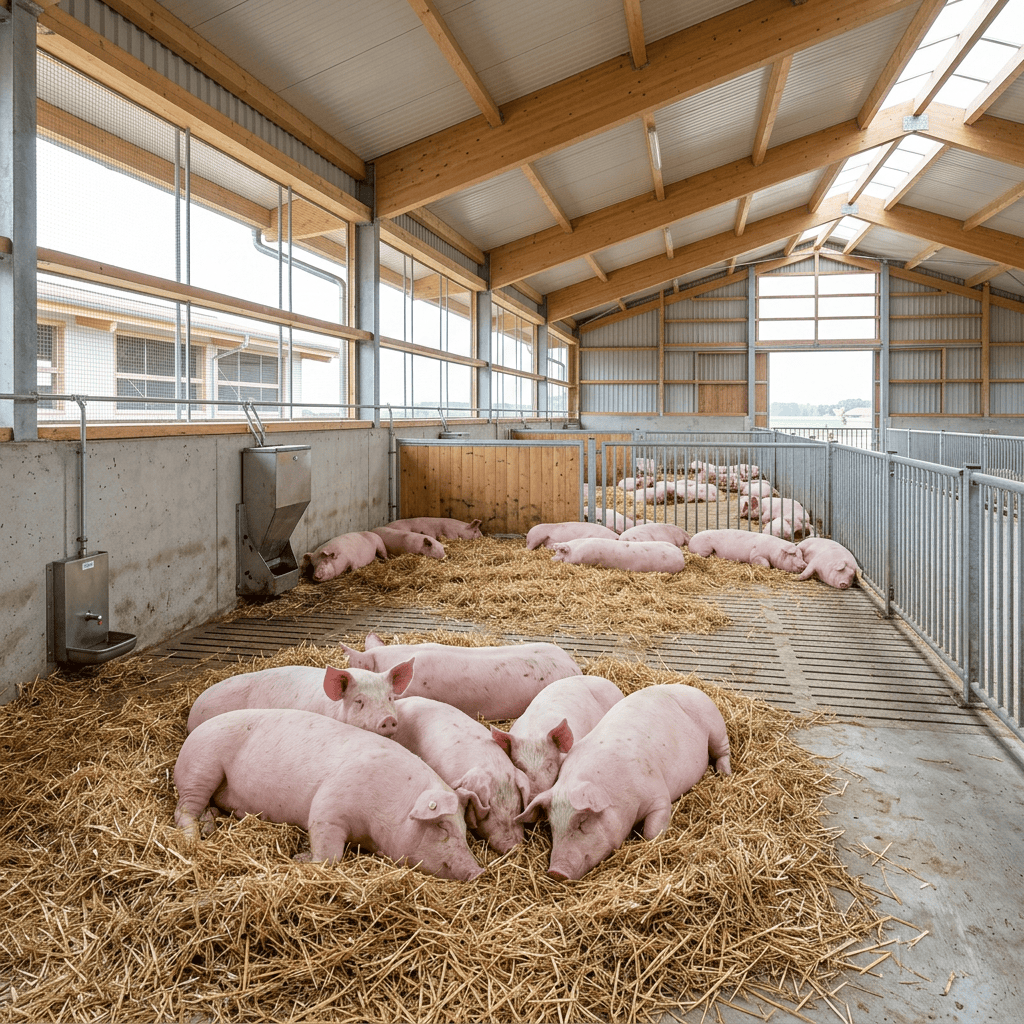
The most common and economically significant pig diseases in South Africa are African Swine Fever (ASF), Classical Swine Fever, Porcine Reproductive and Respiratory Syndrome (PRRS), erysipelas, and internal/external parasites. Of these, African Swine Fever is the most serious, it’s highly contagious, has no vaccine, and is a controlled disease that must legally be reported to…
-
Pig Farming Profitability in South Africa: Real Numbers Breakdown

A well-managed 10-sow small-scale pig farm in South Africa can realistically net profit margins of 15–25% once fully operational, but expect 12–18 months before the operation is cash-flow positive, and treat the first year’s “profit” as mostly capital recovery rather than real income. The biggest lever on profitability isn’t sale price — it’s feed conversion…
-
How to Feed Pigs on a Budget: Low-Cost Feeding Strategies for Small Farmers
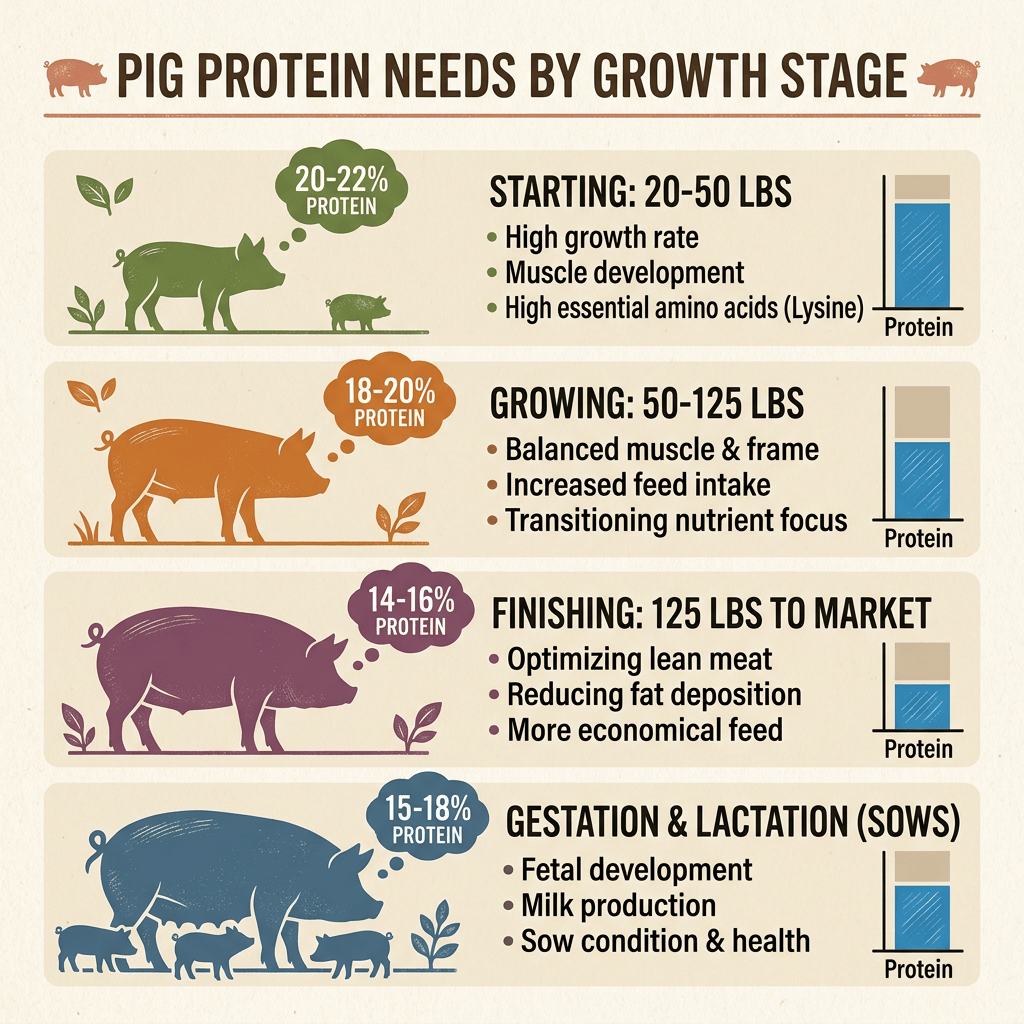
The most effective way to feed pigs on a budget is to use commercial feed for the stages where nutrition matters most, weaning and early growth, while supplementing grower and finisher stages with cheaper bulk sources like brewer’s grain, vegetable by-products, and surplus produce. Feed typically makes up 60–70% of total pig farming costs, so…

