The most common and economically significant pig diseases in South Africa are African Swine Fever (ASF), Classical Swine Fever, Porcine Reproductive and Respiratory Syndrome (PRRS), erysipelas, and internal/external parasites. Of these, African Swine Fever is the most serious, it’s highly contagious, has no vaccine, and is a controlled disease that must legally be reported to state veterinary services. Good biosecurity is the only real defence against most of these, since treatment options for viral diseases are limited or non-existent.
Disease control isn’t a one-time setup — it’s an ongoing routine, and the cost of prevention is almost always lower than the cost of an outbreak, both in direct losses and in the movement restrictions that follow a confirmed case in your area.
The Diseases That Matter Most
African Swine Fever (ASF)
- Cause: A highly resistant virus, spread through direct contact, contaminated feed (especially uncooked pork scraps), ticks, and contaminated equipment or clothing
- Signs: High fever, loss of appetite, red/purple discolouration of skin (especially ears, tail, legs), sudden deaths, in some cases few symptoms before death
Why it matters: No vaccine exists. Mortality can approach 100% in acute outbreaks. It’s a controlled disease — suspected cases must be reported to DALRRD immediately, and confirmed outbreaks trigger culling and movement restrictions in the surrounding area
South African context: ASF is present in parts of South Africa, particularly linked to warthog and tick populations in certain regions — farms near wildlife areas carry elevated risk
Classical Swine Fever (CSF)
- Cause: A separate virus from ASF, with broadly similar transmission routes
- Signs: Fever, weakness, skin discolouration, similar in presentation to ASF, which is why lab confirmation matters rather than assuming based on symptoms alone
Why it matters: Also a controlled, reportable disease
PRRS (Porcine Reproductive and Respiratory Syndrome)
- Cause: Viral infection affecting reproduction and respiratory health
- Signs: Late-term abortions, weak or stillborn piglets, respiratory distress in growing pigs
Why it matters: Doesn’t always kill adult pigs outright, but severely damages reproductive performance and piglet survival, a major hidden profitability drain if undiagnosed
Erysipelas
- Cause: Bacterial infection (Erysipelothrix rhusiopathiae)
- Signs: Fever, diamond-shaped skin lesions, lameness, sudden death in acute cases
Why it matters: Treatable with antibiotics if caught early, and a vaccine is available and commonly used in South African herds — one of the more manageable diseases on this list if you vaccinate proactively
Internal and External Parasites
- Cause: Worms (roundworm, whipworm), lice, and mange mites are common in South African herds, particularly in extensive/free-range systems
- Signs: Poor growth rates, rough coat condition, visible scratching/irritation, reduced feed conversion efficiency
Why it matters: Rarely fatal, but a significant, often-overlooked drag on growth rates and feed efficiency, a routine deworming and mite control programme pays for itself quickly
Biosecurity Measures That Actually Matter
1. Control Feed Sources
Never feed uncooked meat scraps or untreated food waste to pigs, this is one of the most common ways ASF enters a herd, since the virus survives in raw and processed pork products. If you use kitchen scraps or food waste, ensure it’s properly cooked and contains no meat products, and check local regulations, since some jurisdictions restrict swill feeding entirely.
2. Control Access to Your Herd
- Keep a dedicated set of boots and overalls for pig housing areas only
- Disinfect vehicles and equipment entering the farm, especially feed trucks and visiting service providers
- Limit visitor access, particularly from anyone who has recently visited another pig farm
3. Manage Wildlife and Tick Exposure
- Fence pig housing to prevent contact with warthogs and other wild pigs, a known ASF reservoir in parts of South Africa
- Implement a tick control programme, since ticks can carry and transmit ASF virus in endemic regions
- Avoid situating pig housing near known wildlife corridors where possible
4. Quarantine New Stock
Any new pigs, purchased breeding stock, weaners, or returning animals — should be isolated for a minimum of 2–3 weeks before mixing with the existing herd, with separate feeding and handling equipment during this period.
5. Vaccinate Proactively
Work with a local vet to establish a vaccination schedule, typically covering erysipelas, parvovirus, and leptospirosis at minimum. Note that no vaccine currently exists for ASF or CSF, prevention for these relies entirely on biosecurity, not vaccination.
6. Maintain Clean, Dry Housing
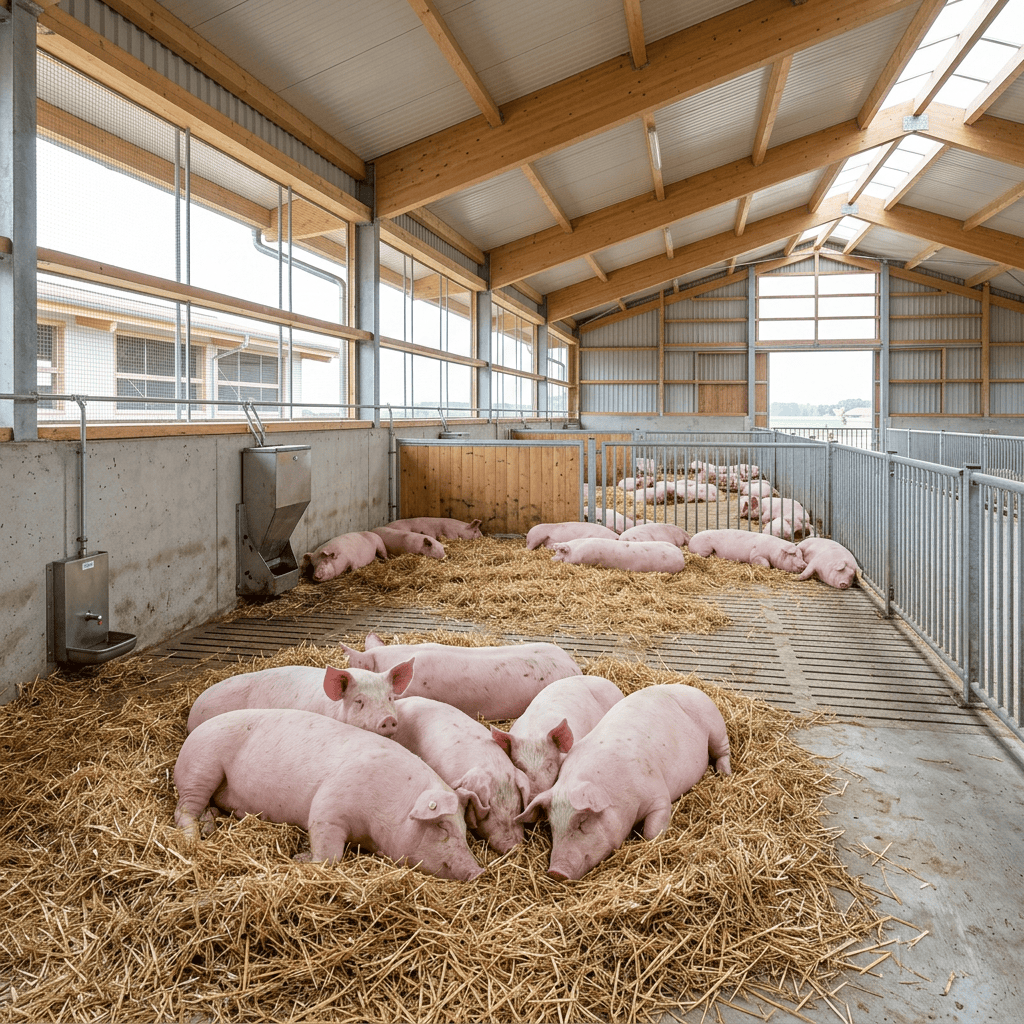
- Remove manure and wet bedding regularly, damp conditions favour both bacterial disease and parasite survival
- Disinfect farrowing pens between litters
- Ensure adequate ventilation to reduce respiratory disease risk
Warning Signs That Require Immediate Vet Attention
- Sudden, unexplained deaths, especially more than one animal in a short period
- Fever combined with red or purple skin discolouration
- Multiple late-term abortions or a spike in stillbirths
- Sudden drop in feed intake across multiple pens
South African farmers are legally required to report suspected cases of controlled diseases like ASF and CSF to DALRRD or a state veterinarian — early reporting is critical both for your own herd and for controlling regional spread.
A Simple Weekly Biosecurity Routine
| Task | Frequency |
| Visual health check of all pigs | Daily |
| Clean and disinfect feeding equipment | Weekly minimum |
| Check fencing for wildlife breaches | Weekly |
| Tick/parasite control check | Monthly |
| Disinfect boots/equipment after farm visits | Every time |
| Full pen deep clean and disinfection | Between litters/batches |
FAQ
What is the most dangerous pig disease in South Africa? African Swine Fever (ASF) is the most serious, due to its high mortality rate, lack of a vaccine, and status as a controlled, reportable disease that can trigger regional movement restrictions.
Can I feed my pigs kitchen scraps safely? Only if the scraps are properly cooked and contain no meat products. Uncooked meat scraps are one of the most common ways African Swine Fever enters a herd, and swill feeding is restricted or banned in some jurisdictions.
Is there a vaccine for African Swine Fever? No. There is currently no commercially available vaccine for ASF in South Africa. Prevention relies entirely on biosecurity — controlling feed sources, wildlife contact, and farm access.
How do I know if my pigs have a disease outbreak? Warning signs include sudden unexplained deaths, fever with red or purple skin discolouration, multiple abortions or stillbirths, and a sudden drop in feed intake across the herd. Any of these warrant immediate veterinary attention.
Do I have to report a suspected disease outbreak? Yes, for controlled diseases like African Swine Fever and Classical Swine Fever, South African law requires suspected cases to be reported to DALRRD or a state veterinarian immediately.


Leave a Reply