Tag: agriculture
-
Pig Feed Conversion Ratio: How to Calculate and Improve It
Feed conversion ratio (FCR) measures how efficiently a pig turns feed into body weight — it’s calculated by dividing total feed consumed by total weight gained. A lower FCR means a pig is converting feed into growth more efficiently, which translates directly into lower cost per kilogram of pork produced. Since feed is typically the…
-
Biosecurity Measures in Pig Farming: A Practical Guide to Protecting Your Herd
Biosecurity measures are the practices and protocols pig farmers use to stop disease-causing organisms from entering or spreading within a herd. On a pig farm, biosecurity measures typically include controlled access, quarantine procedures, sanitation routines, pest control, and strict rules for people, vehicles, and equipment moving on and off the property. Getting these basics right…
-
Where to Sell Pigs in South Africa: Market Channels & Pricing Guide
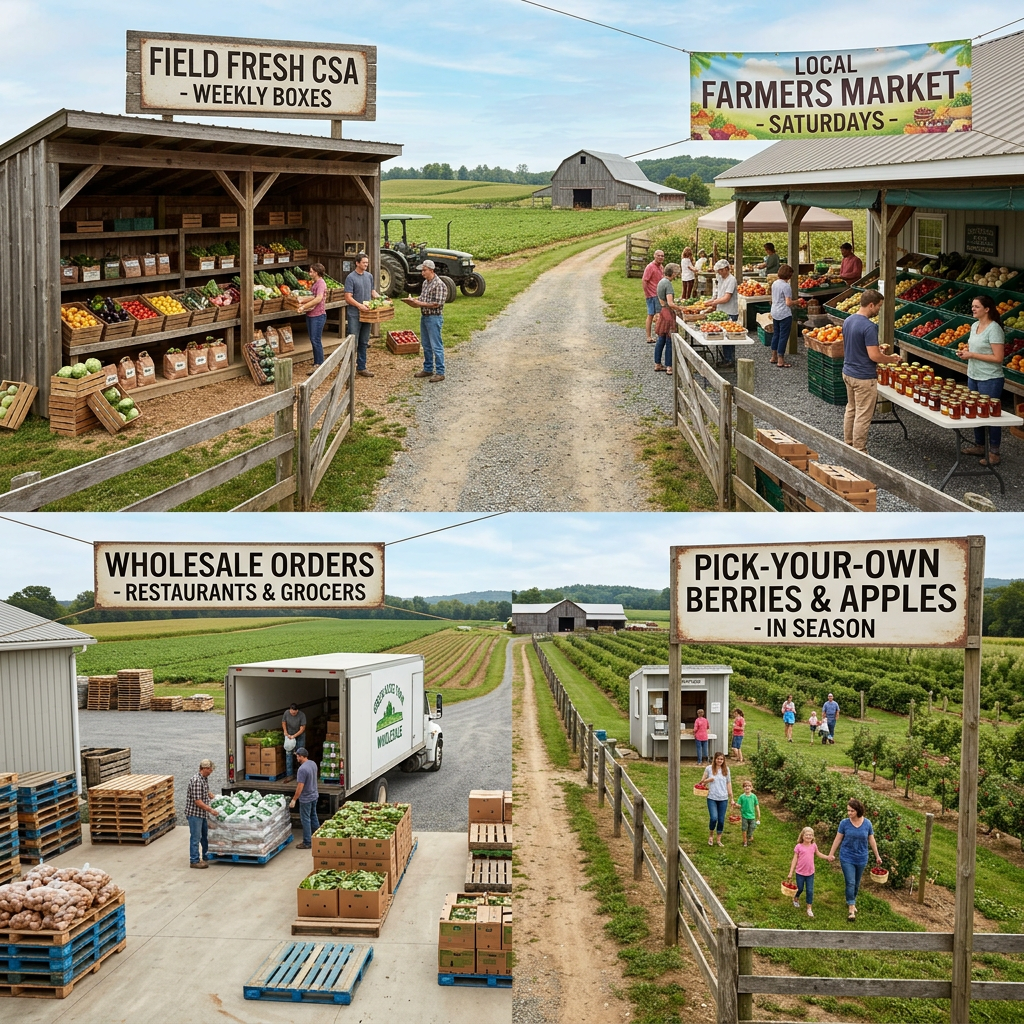
South African pig farmers typically sell through four main channels: registered abattoirs (best for consistent volume and formal pricing), independent butchers and informal traders (fastest payment, most flexible on volume), live pig auctions or direct sales to other farmers (mainly for breeding stock or weaners), and direct-to-consumer sales (highest margin, most time-intensive). Most successful small-scale…
-
Reducing Piglet Mortality: A Practical Weaning & Farrowing Guide
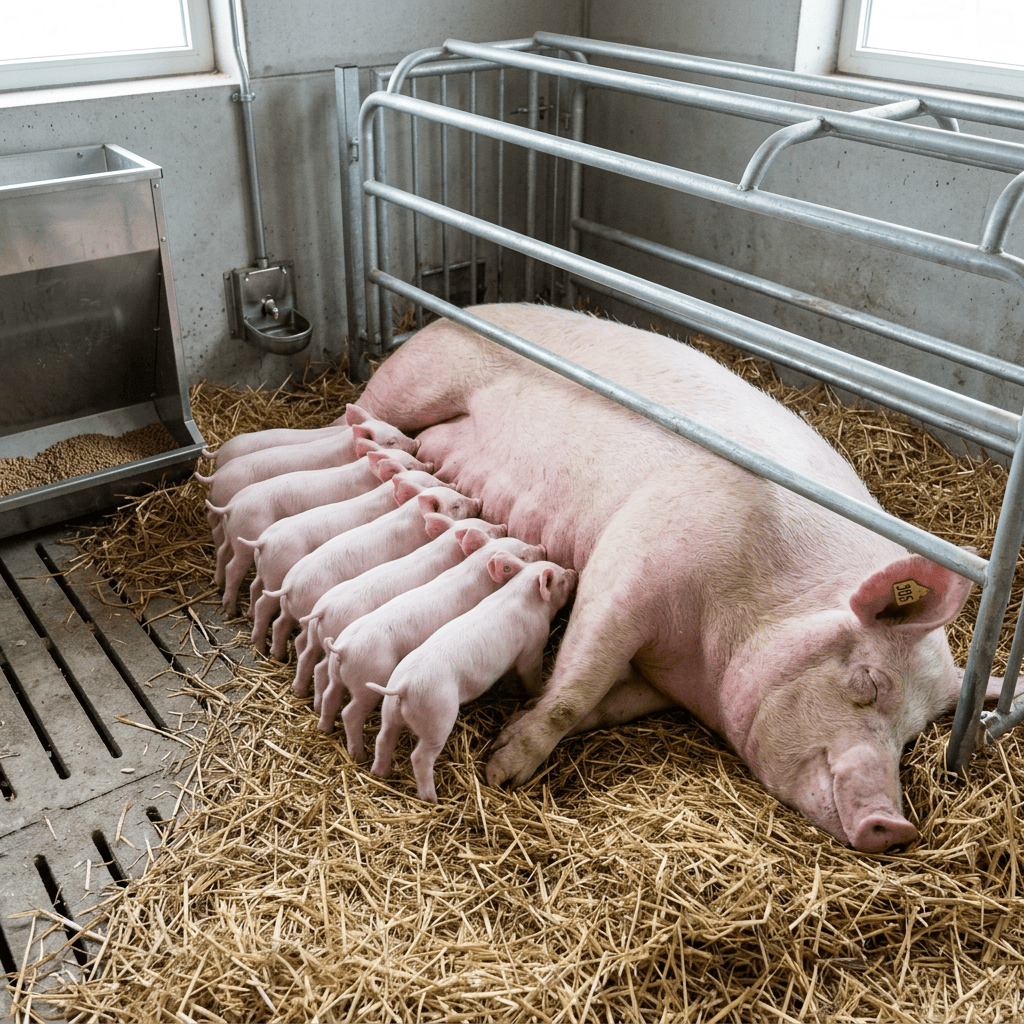
The biggest drivers of piglet mortality are crushing by the sow in the first 72 hours, chilling due to inadequate farrowing temperature control, and low birth weight from poor sow nutrition during pregnancy. On well-managed small farms, pre-weaning mortality should sit around 10–15%; anything consistently above 20% signals a specific, fixable problem in farrowing management…
-
Pig Farming Permits & Licensing in South Africa: Full Requirements Guide
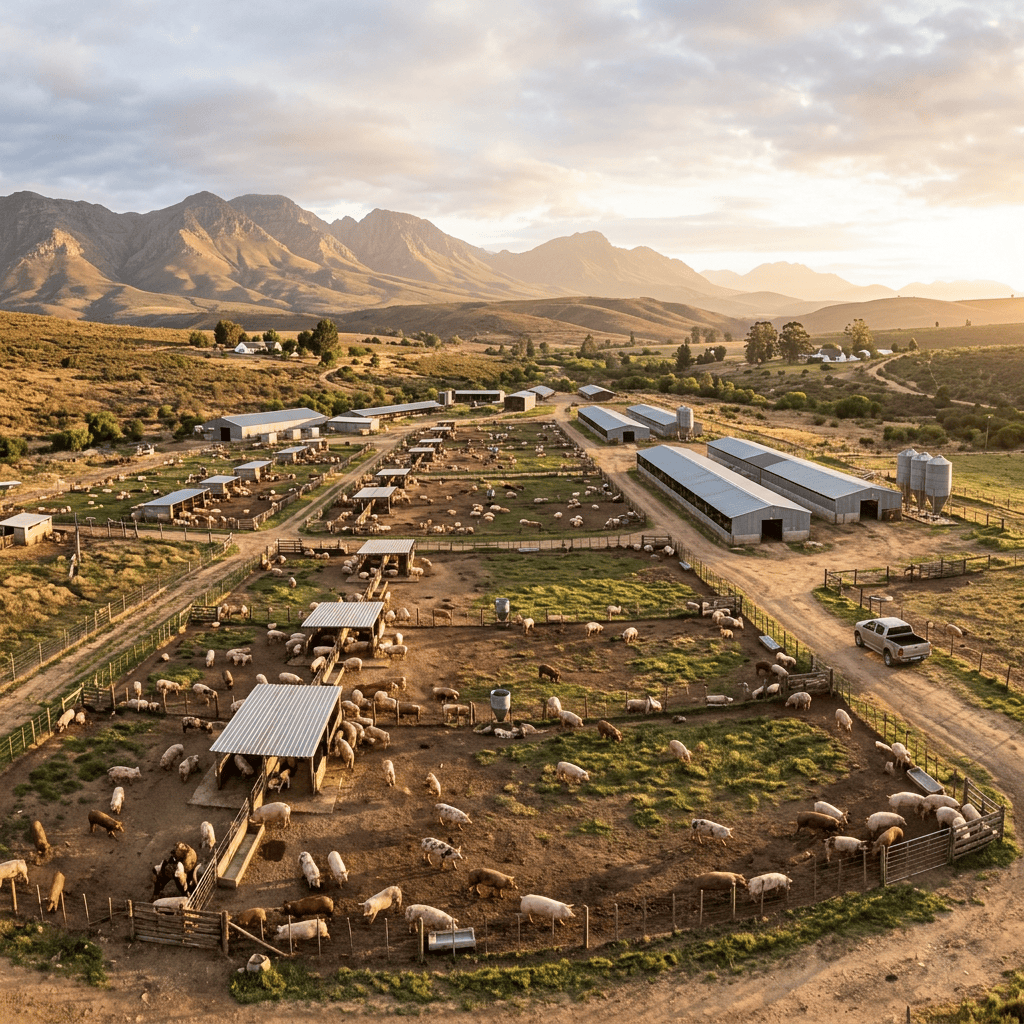
To legally run a pig farm in South Africa, you need land zoned for agricultural use, registration of your premises with the Department of Agriculture, Land Reform and Rural Development (DALRRD) for disease traceability, compliance with the Animal Diseases Act for movement and reporting, and, depending on scale, environmental and waste management approval. There isn’t…
-
Pig Farming Profitability in South Africa: Real Numbers Breakdown

A well-managed 10-sow small-scale pig farm in South Africa can realistically net profit margins of 15–25% once fully operational, but expect 12–18 months before the operation is cash-flow positive, and treat the first year’s “profit” as mostly capital recovery rather than real income. The biggest lever on profitability isn’t sale price — it’s feed conversion…
-
Biosecurity Basics for Backyard Poultry: How to Prevent Disease Outbreaks
Biosecurity for backyard poultry comes down to five habits: controlling who and what comes into contact with your Feed, keeping new Feed separate before introducing them, controlling contact with wild Feed, keeping housing clean and dry, and watching for early warning signs of illness. None of these require expensive equipment, they’re almost entirely about consistent…

