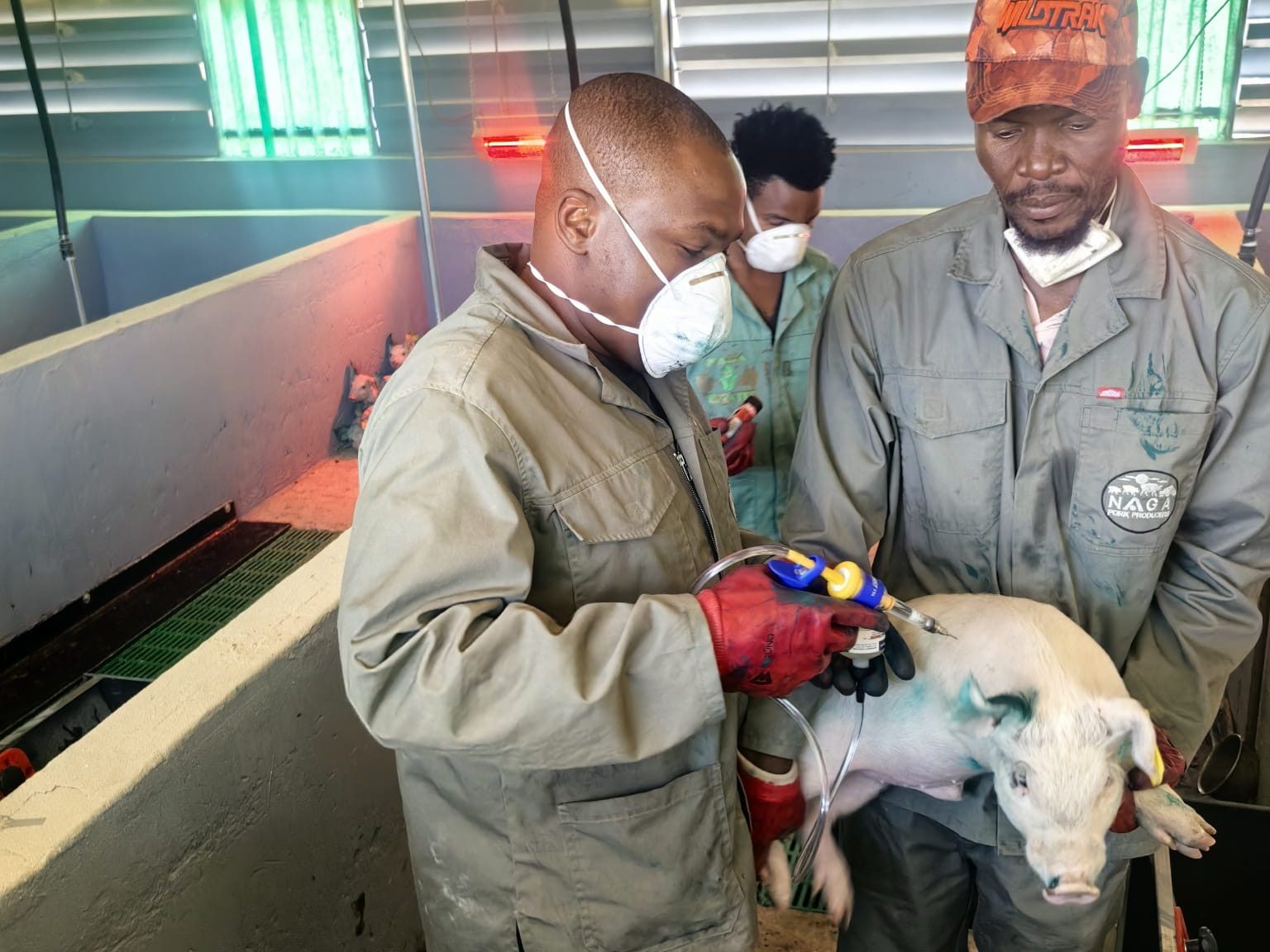
Prioritizing animal health means treating disease prevention, early detection, and consistent care as a daily management priority — not an afterthought that only gets attention once pigs are visibly sick. On a pig farm, this shows up as routine monitoring, on-schedule vaccination, parasite control, and nutrition tailored to keep the immune system strong. Farms that prioritize animal health consistently see better growth rates, lower mortality, and significantly lower veterinary costs over time.
Why Animal Health Should Come First on Every Pig Farm
- Prevention costs less than treatment. Vaccines, monitoring, and clean housing are far cheaper than treating an established outbreak or replacing lost animals.
- Health affects every other metric. Feed conversion, growth rate, and reproductive performance all decline sharply when underlying health issues go unaddressed.
- Regulatory and market pressure. Buyers and export markets increasingly expect documented animal welfare and health management practices.
Key Pillars of Animal Health Management
Regular Health Monitoring
Walk through pens daily and check each pig’s appetite, activity level, breathing, and body condition. Catching subtle changes early — a pig eating slightly less, or standing apart from the group — often prevents a minor issue from becoming a herd-wide problem.
Vaccination Schedules
Work with a veterinarian to set a vaccination calendar covering common regional threats, and keep records so no animal or batch is missed.
Parasite Control
Both internal parasites (worms) and external parasites (mange mites, lice) reduce growth efficiency even when they don’t cause visible illness. A regular deworming and treatment schedule should run year-round.
Nutrition and Health
Health and nutrition are inseparable — a pig on a nutrient-deficient diet has a weaker immune response regardless of how good the surrounding care is. This is one reason mixing quality feed and prioritizing animal health function as a single system rather than separate concerns.
Housing, Stress, and Welfare
Overcrowding, poor ventilation, and temperature stress all suppress immune function. Adequate space per pig and stable environmental conditions are health interventions in their own right, even though they don’t look like traditional veterinary care.
Recognizing Early Signs of Illness in Pigs
- Reduced feed or water intake
- Lethargy or reluctance to move
- Coughing, sneezing, or labored breathing
- Diarrhea or changes in stool consistency
- Skin discoloration, lesions, or unusual discharge
- Isolation from the rest of the group
Building a Herd Health Management Plan
- Partner with a veterinarian. A standing relationship, not just emergency calls, allows for proactive planning around regional disease risks.
- Keep detailed records. Track vaccinations, treatments, mortality, and growth data so patterns are visible over time rather than anecdotal.
- Integrate biosecurity. Health management and biosecurity measures reinforce each other — one limits exposure, the other manages the animals already on-site.
- Standardize daily checks. Assign a specific person and checklist for daily monitoring so nothing is left to chance during busy periods.
- Review and adjust quarterly. Update the plan as herd size, housing, or local disease pressure changes.
The Link Between Health, Feed, and Biosecurity
Animal health doesn’t operate in isolation. Biosecurity measures reduce the pathogens a herd is exposed to, mixing quality feed ensures the immune system has what it needs to respond effectively, and daily health monitoring catches problems from either area before they escalate. Farms that treat these three as one integrated system consistently outperform those that address them separately.
Frequently Asked Questions
What are the signs of a healthy pig?
A healthy pig is alert, has a good appetite, moves easily, has clear eyes, and shows a smooth, evenly colored coat without lesions or discharge.
How often should pigs be checked for health issues?
Daily visual checks are recommended for every pen, with a more detailed health assessment at key life stages such as weaning, movement between barns, and prior to breeding.
Why is preventive health care more cost-effective than treatment?
Preventive measures like vaccination and monitoring are low-cost and applied to the whole herd, while treating an established outbreak involves medication costs, lost growth, and sometimes irreversible losses.
How does biosecurity support animal health?
Biosecurity reduces the number of disease-causing organisms a herd is ever exposed to, which directly lowers the workload placed on ongoing health management and veterinary care.
 NagaPorkProducers
Leave a comment